
Europe enters the winter of 2026–2027 with unusually low gas storage levels and a fragile energy system shaped by the war in Ukraine and the conflict in the Middle East. As geopolitical tensions continue to expose Europe’s dependence on imported fossil fuels, the EU is combining emergency measures with a longer-term push toward homegrown clean …
Le poids de l’hiver : comment la guerre et la géopolitique mettent à l’épreuve la résilience énergétique de l’Europe
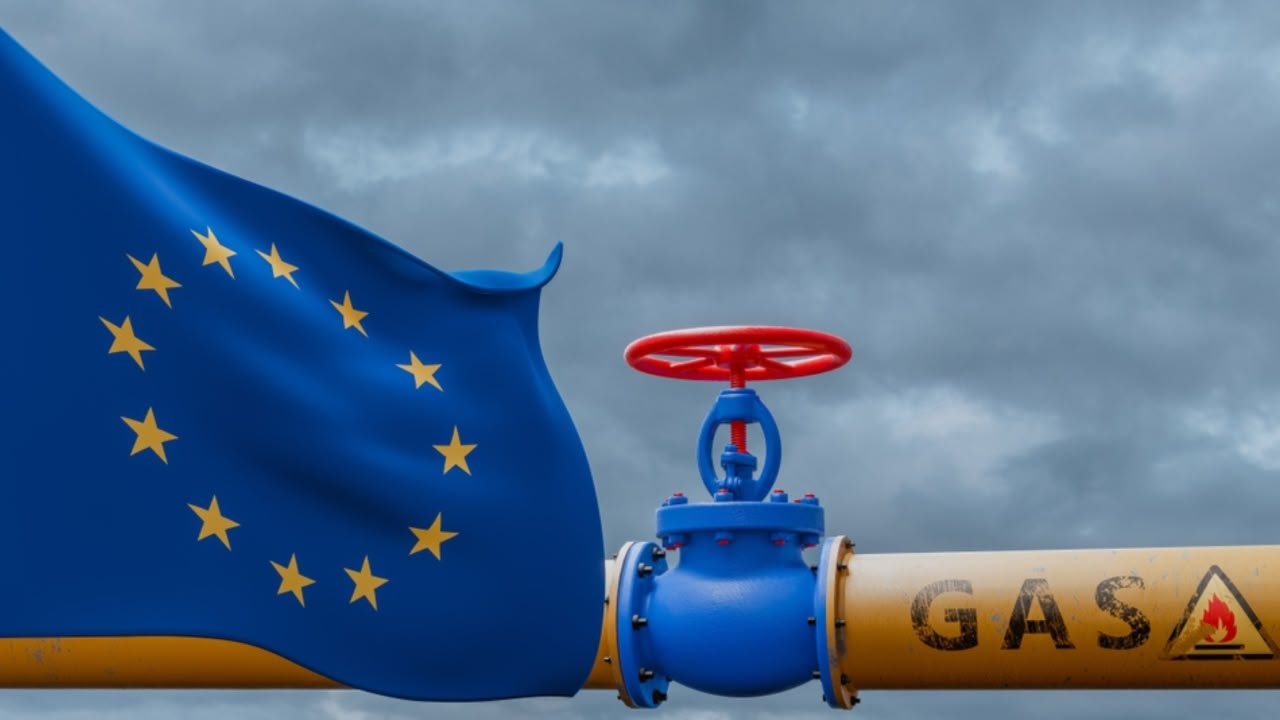
I. The Challenge: A Continent Facing a Cold Reality
As Europe approaches the winter of 2026–2027, the energy situation is sobering. The European Union is entering the heating season with its lowest gas storage levels in nearly two decades. At the start of the gas injection season on 1 April 2026, average EU storage stood at just 28% capacity, far below the levels of previous years. By early September, storage had risen to only around 65–67%, compared with a seasonal norm of 83%.
This shortfall is not merely a matter of numbers. It reflects a deeper structural vulnerability: Europe remains heavily dependent on imported fossil fuels, and its energy bill has ballooned. In the aftermath of the pandemic and the early years of the Ukraine war, the EU’s energy bill doubled to €1.8 trillion. Even now, EU companies face electricity prices two to three times higher than those in the United States, and natural gas prices four to five times higher.
The European Commission’s Joint Research Centre had already warned in late May 2026 that energy prices would rise in the autumn months, with knock-on effects on inflation and economic growth, should the conflict in the Middle East drag on. That warning has materialised.
II. The Impact of War: A Fragile System Under Strain
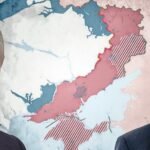
Two overlapping conflicts have reshaped Europe’s energy landscape: the ongoing war in Ukraine and the U.S.–Iran war that erupted at the end of February 2026.
The Ukraine war severed Europe’s long-standing reliance on Russian pipeline gas, forcing a scramble for alternative suppliers — primarily liquefied natural gas (LNG) from the United States and the Middle East. This transition came at a cost: higher prices, heightened competition with Asia for cargoes, and a loss of the pricing advantages that Russian pipeline gas once provided.
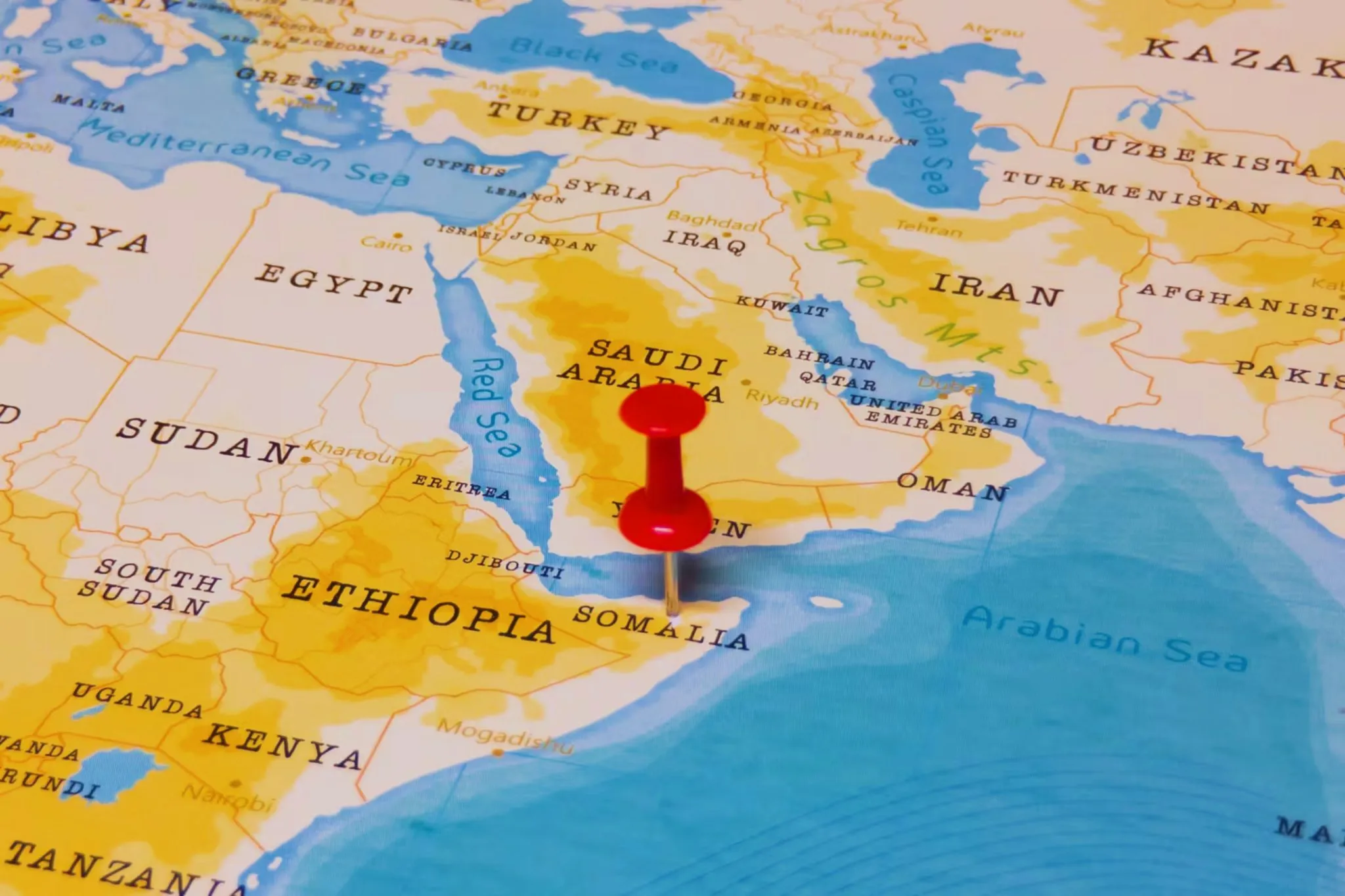
Then came the Middle East conflict. The disruption of supplies from the Persian Gulf, particularly through the Strait of Hormuz, delivered a second shock. The EU’s energy bill increased by $78 billion as a result of the Middle East situation alone — more than twice the $35 billion cost borne by China. Eurostat reported that the EU had slipped into a trade deficit for the first time in three years, with high energy prices the main culprit.
The combination of these two conflicts has exposed what analysts call Europe’s “structural vulnerabilities”: an over-reliance on imported fuels, insufficient storage buffers, and a fragmented internal energy market that struggles to respond to shocks in a coordinated way. As one Hungarian official warned, the armed conflicts in Ukraine and the Middle East “could very easily create a situation in which Europe will soon face a more serious energy crisis than ever before” — not only in terms of prices but also supply security.
III. The Solutions: What Europe Is Betting On
Europe’s response has unfolded on two fronts: short-term emergency measures to get through the winter, and long-term structural reforms to achieve genuine energy independence.
A. Short-Term Relief: Coordinated Storage and Consumer Protection
The European Commission has launched the AccelerateEU initiative, a coordinated approach to bring immediate relief to vulnerable households and companies facing price spikes. Its key elements include:
- Coordinated gas storage refilling: Member States are urged to start filling storage early and collectively. The Commission has relaxed the mandatory storage target from 90% to 80% of capacity, reducing overall EU storage needs by 10 billion cubic metres while still being deemed sufficient for next winter.
- Collective release of oil reserves: EU countries are contributing around 20% to the release of more than 400 million barrels of emergency oil stocks coordinated by the International Energy Agency.
- Consumer protection: Measures include targeted income support schemes, energy vouchers, social leasing schemes, and lower excise duties on electricity for vulnerable households.
- Temporary state aid: A Middle East crisis Temporary State Aid Framework allows support for the most exposed sectors — agriculture, fishery, transport, and energy-intensive industries — until 31 December 2026.
The Commission has also established a Fuel Observatory to track EU production, imports, exports, and stock levels of transport fuels, enabling swift identification of potential shortages.
B. Structural Transformation: The Push for Homegrown Clean Energy
The Commission is clear that emergency measures alone are not enough. As one official statement put it: “We must accelerate the shift to homegrown, clean energies. This will give us energy independence and security, and mean we are better able to weather geopolitical storms”.
The structural agenda rests on several pillars:
- Rapid deployment of heat pumps. Heat pumps are presented as a core electrification technology to rapidly reduce fossil fuel dependence, lower energy bills, and stabilise the energy system. They can reduce household heating bills by up to 60%. The Commission has proposed lower VAT rates for heat pumps than for gas boilers and is encouraging subsidies, zero-interest loans, and on-bill financing to make clean heating accessible.
- Renewable hydrogen and cross-border infrastructure. The EU is investing heavily in hydrogen as a cornerstone of its decarbonised energy system. A €120 million grant for a cross-border underground hydrogen storage facility in Gronau, Germany, marks the first time EU funding will be used for a hydrogen works project, strengthening security of supply and enabling large-scale integration of renewable hydrogen. In the North Seas region, member states have committed to closer coordination to accelerate offshore wind and hydrogen projects through better cross-border planning and financing.
- Faster electrification and grid expansion. The Commission is preparing an electrification action plan with ambitious targets for industry, transport, and buildings. A legislative proposal on network charges and taxation will ensure that electricity is taxed less than natural gas, correcting a long-standing distortion that favoured fossil fuels. The European Grids Package aims to advance “Energy Highways” across the continent.
- Energy efficiency in buildings. Commercial and residential buildings account for half of the EU’s gas consumption. High-performance building envelopes — better walls, roofs, and windows — significantly lower energy demand by reducing heat losses in winter and limiting overheating in summer. The Commission is supporting municipal heating and cooling plans and launching a European City Facility to fund them.
- Diversified supply and reduced import dependence. The EU is working to secure higher LNG imports — estimated to need a 13% increase over 2025 levels to meet summer demand and reach the 90% filling target — while simultaneously reducing its overall reliance on fossil fuels. The Circular Economy Act will support industries in replacing virgin fossil materials with circular and bio-based alternatives.
Conclusion
Europe enters the winter of 2026–2027 with a gas buffer that is far thinner than it should be, a legacy of two overlapping wars and a decade of energy policy that prioritised short-term market efficiency over long-term resilience. The immediate challenge — keeping the lights on and homes warm — is being met with coordinated storage releases, emergency consumer relief, and flexible state aid.
But the deeper lesson is unmistakable. As the International Energy Agency has observed, “energy is at the heart of today’s geopolitical tensions”. Europe’s dependence on imported fossil fuels has become a strategic liability, one that hostile actors can exploit and volatile markets can punish. The only durable solution, as the Commission itself acknowledges, is to accelerate the transition to homegrown clean energy — renewables, heat pumps, hydrogen, and a modernised grid — so that the next winter’s squeeze does not become a permanent condition.
The question is no longer whether Europe will transition. It is whether it will transition fast enough to matter.

Abonnez-vous à notre newsletter
Restez informé(e) de nos actualités et offres
Thank you for subscribing to the newsletter.
Oops. Something went wrong. Please try again later.