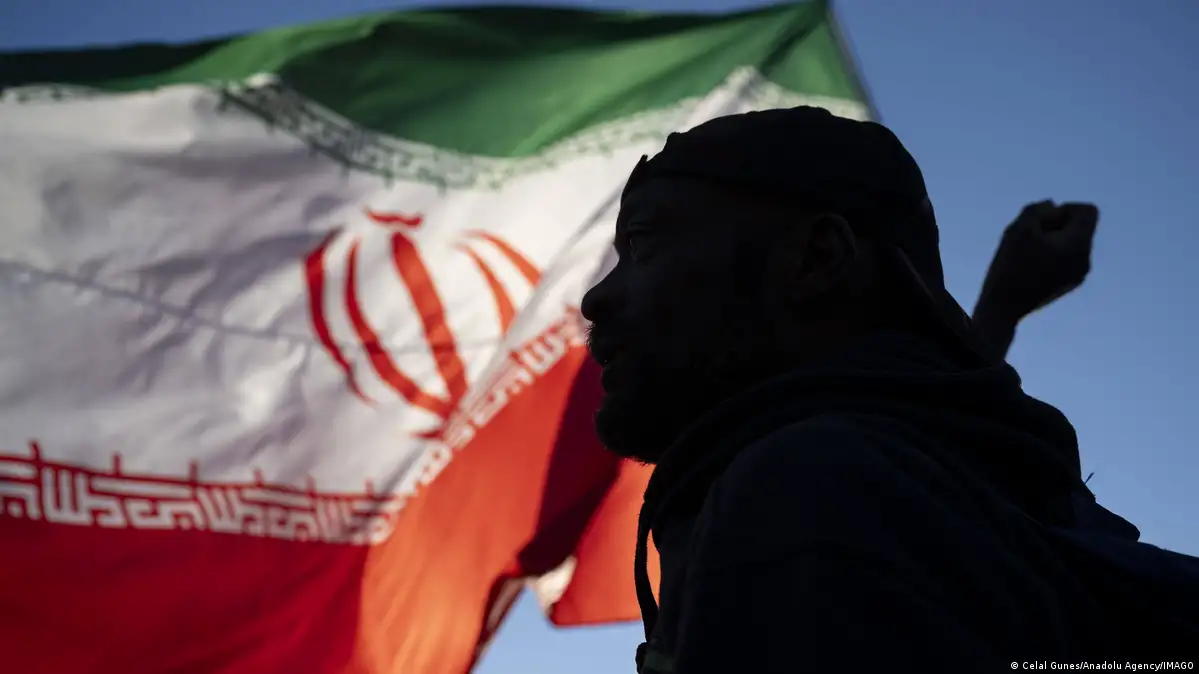

Syria After Assad: A Nation Rewoven — Society, Class, and the Struggle for a New Identity Excerpt:
Syria After Assad: A Nation Rewoven — Society, Class, and the Struggle for a New Identity Excerpt:
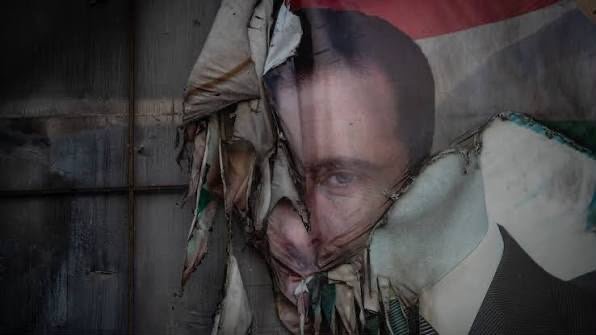
Introduction: The Morning After the Fall
When Bashar al-Assad fled Damascus in December 2024, Syrians woke to a country free of a 14-year war that had killed at least 400,000 people and displaced 13 million more. Yet the fall of a dictator is not the birth of a nation. One year on, Syria is not rebuilding a society — it is renegotiating one. The collapse of the old order has unleashed forces that were suppressed, but never resolved: sectarian fractures, class resentments, regional loyalties, and competing visions of what “Syria” should mean. The result is not a clean transition, but a volatile reweaving of a social fabric torn apart by decades of tyranny and war.
The Societal Crisis: Fragmentation and Distrust
The most immediate crisis is not political — it is the erosion of social cohesion itself. A 2026 study on social cohesion found that national identity, while retaining emotional significance, “no longer functions as a practical anchor”. Trust and solidarity now operate “at the level of family, tribe, and immediate community”. In areas like Idlib, Raqqa, and Deir ez-Zor — shaped by displacement and insecurity — some participants described feeling “like strangers in their own communities”.
This fragmentation is not merely psychological. It is driven by material desperation. Around four in five Syrians live below the poverty line, and 15.6 million people require humanitarian assistance. Poverty and unemployment are identified as “the primary driver of social tension,” fueling conflict between displaced and host communities competing for aid, jobs, and resources. The relationship between citizens and authorities has become “transactional” — driven by access to services, not trust or legitimacy.
Sectarian Violence: The Unhealed Wound
The fall of Assad did not end sectarian violence — it removed the lid. In March 2025, the coastal provinces of Latakia and Tartus, the heartland of the Alawite minority, witnessed a wave of violence that left more than 1,300 dead in four days, including 873 civilians. The UN denounced “summary executions on a sectarian basis” by both elements of the old regime and the new authorities.
In the south, armed clashes between Druze communities and Bedouin clans in Sweida and Damascus suburbs in April, May, and July 2025 killed between 400 and 600 people and displaced nearly 2,000 families. The Druze, representing about 3% of the population, have largely governed themselves since their 2023 uprising against Assad, and an Etana survey reports that over 90% are dissatisfied with their rights, security, and freedoms, while 98% consider the government unrepresentative and opaque.
The New Class Structure: Winners, Losers, and the Emergence of a New Elite
The fall of Assad has not dissolved class — it has reconfigured it. The old Alawite-dominated power structure, which monopolized power for six decades, has been replaced by a new elite drawn largely from rural Sunni communities, particularly Idlib province, home to Hayat Tahrir Al Sham (HTS).
This new class has brought its own social tensions. Gold merchant Mahmoud Radwan, from Idlib, described being shouted at and confronted by Damascus shop owners who would not treat cars with Damascus plates the same way. The emergence of this new elite has been accompanied by competition with established businesses and communities, particularly in Damascus and Aleppo, driving up rents. A seven-square-metre shop in the Hariqa market was offered for $2,500 a month — a staggering sum given that average monthly income in Syria is $60 to $90.
Meanwhile, the old bureaucracy has been dismantled. Around 300,000 civil servants were dismissed on grounds of combating clientelism, described as “the most radical austerity plan the world has known in recent years”. A new bureaucracy and security apparatus, drawn from formerly rebel-held areas, has replaced the Alawite sect members who once staffed the state.
Divergent Visions: “Liberation” vs. “The Fall”
A fault line has emerged between Syrians who refer to “the liberation of Syria” and those who speak of “Assad’s fall” — a linguistic divide reflecting deeper divergences in support for the new leadership. Among the Druze and Alawite communities, as well as factions in southern Syria and the Kurdish-dominated Syrian Democratic Forces, “long-term political concessions and coalition-building beyond Sharaa’s Islamist base are not on the table”.
A survey cited by Radio France found that 80% of Syrians support the new authority — a figure driven primarily by Arab Sunnis, “the longest repressed” under Assad. But the same survey noted that “intercommunal violence, the absence of transitional justice, and a spirit of revenge” are fueling tensions that President al-Sharaa struggles to contain.
The Shape of the New Society: Centralization vs. Decentralization
The emerging Syrian society is being shaped by a fundamental tension: the new government’s drive to centralize power versus local demands for meaningful participation. The Al-Sharaa administration’s “illiberal peace” promises stabilization without transformation, “overlooking rights, comprehensive transitional justice, meaningful participation and genuine inclusion”.
This approach has left Sweida largely outside government control, amid calls for self-determination and recurrent violence. In the northeast, a January 2026 military operation brought large areas previously held by the SDF under government control, with an agreement for phased integration into state institutions. But integration on the state’s terms is not the same as inclusion on communities’ terms.
A new social contract is urgently needed — one that recognizes Syria as “a country of multiple languages, cultures, and identities,” where diversity is “not a structural flaw but a source of richness and strength”. The question, as one Syrian analysis put it, is whether the new Syria will “continue to reproduce a centralism that excludes the margins and small groups, or build a modern state that accepts difference and manages it”.
Conclusion: A Society in the Balance
Syria after Assad is not a post-conflict society — it is a society in the midst of a second, quieter war: the war over what kind of nation it will become. The old hierarchies have collapsed, but new ones are forming, and they carry their own exclusions. Sectarian violence has exposed the fragility of coexistence. Economic devastation has made survival the primary social fact. And the new elite’s concentration of power has alienated precisely those communities whose trust is most needed.
The coming years will determine whether Syria reweaves itself into a plural, inclusive nation — or whether the fall of one authoritarian order simply gives birth to another. The international community’s role, for now, remains largely external. The real work belongs to Syrians themselves: the difficult, unglamorous labor of building trust across lines of sect, class, and region, and of forging a social contract that no single group can own alone.

Subscribe to Our Newsletter
Keep in touch with our news & offers
Thank you for subscribing to the newsletter.
Oops. Something went wrong. Please try again later.