Opinion

Veracitypapers

Independent Studies & Insights, Delivered to Your Inbox

Thank you for subscribing to the newsletter.

Oops. Something went wrong. Please try again later.

Stay Connected
Veracity Papers logo
VERACITY PAPERS
INDEPENDENT JOURNALISM & INSIGHT

Ideas That Matter.
Stories That Stay.

Veracity Papers is an independent platform for thoughtful journalism, original research, and meaningful perspectives on politics, economics, culture, technology, and society.

We bring together trusted voices, in-depth analysis, and stories that help you understand the world with clarity.
Independent Insightful For curious minds
Explore Veracity Papers
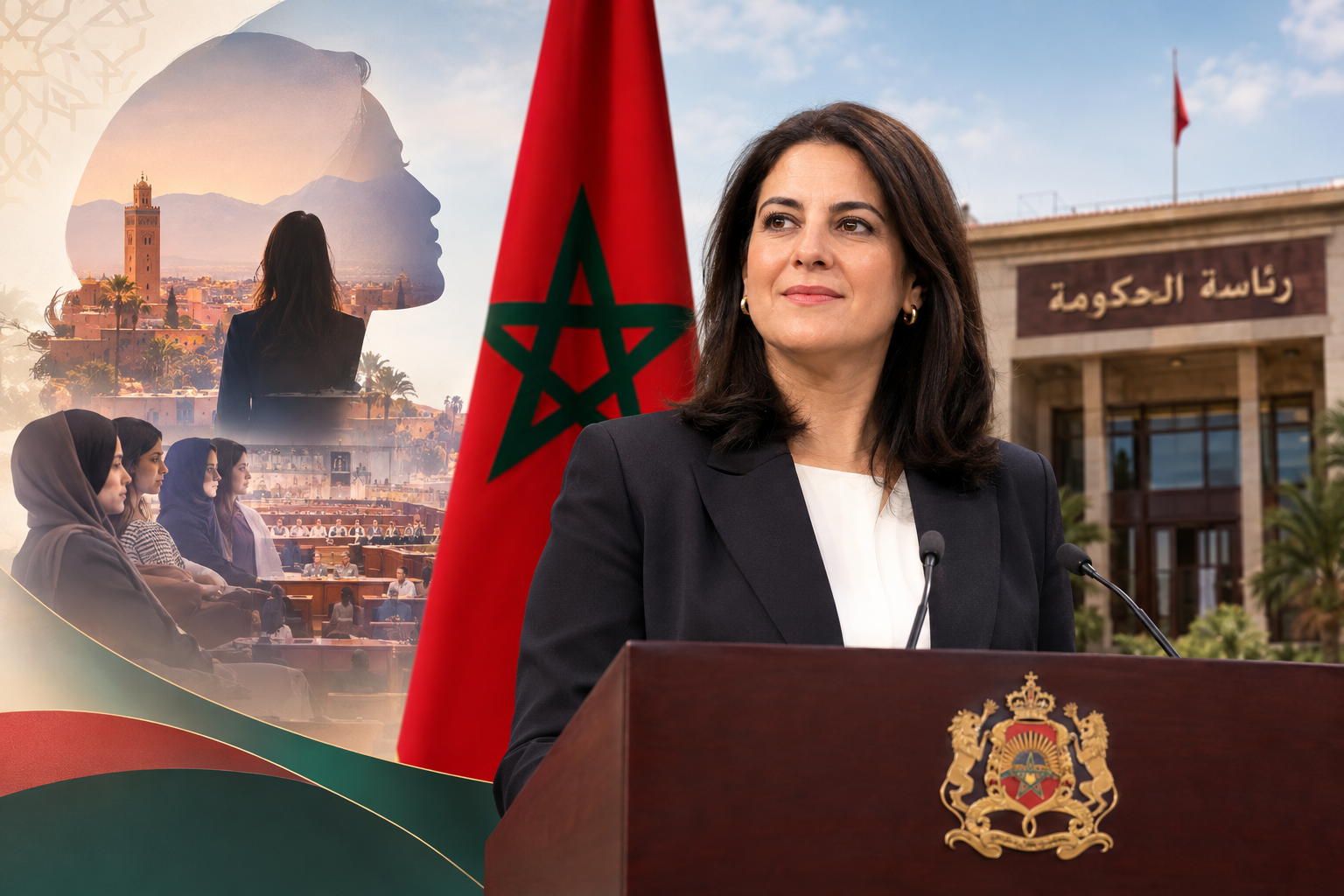
Morocco’s First Woman Head of Government: A New Chapter for Women, Politics, and Arab Society

Morocco’s First Woman Head of Government: A New Chapter for Women, Politics, and Arab Society

Morocco has entered a new political chapter with the appointment of Fatima Ezzahra El Mansouri as Head of Government on September 29, 2026, making her the first woman to hold the position in the country’s history. Her appointment followed the parliamentary elections held on September 23, in which the Authenticity and Modernity Party (PAM) emerged with the largest number of seats, winning 97 of the 395 seats in the House of Representatives. Because the party did not secure an outright majority, El Mansouri will need to form a governing coalition. The significance of this development extends well beyond the appointment of an individual politician. It raises broader questions about the position of women in political life, the changing nature of political leadership in Morocco, the relationship between representation and political power, and the evolving social expectations surrounding women in Moroccan society. It also carries a wider Arab dimension. According to current reporting, El Mansouri is only the second woman to serve as a prime minister or head of government in the Arab world, following Tunisia’s Najla Bouden. Her appointment therefore provides an important opportunity to examine not only what has changed, but also what remains unresolved. The central question is not simply whether a woman can reach the highest levels of political office. Morocco has now answered that question in practice. The more consequential question is what such an appointment means for political participation, institutional power, social expectations, and the future role of women in Morocco and the wider Arab …

Explore Articles

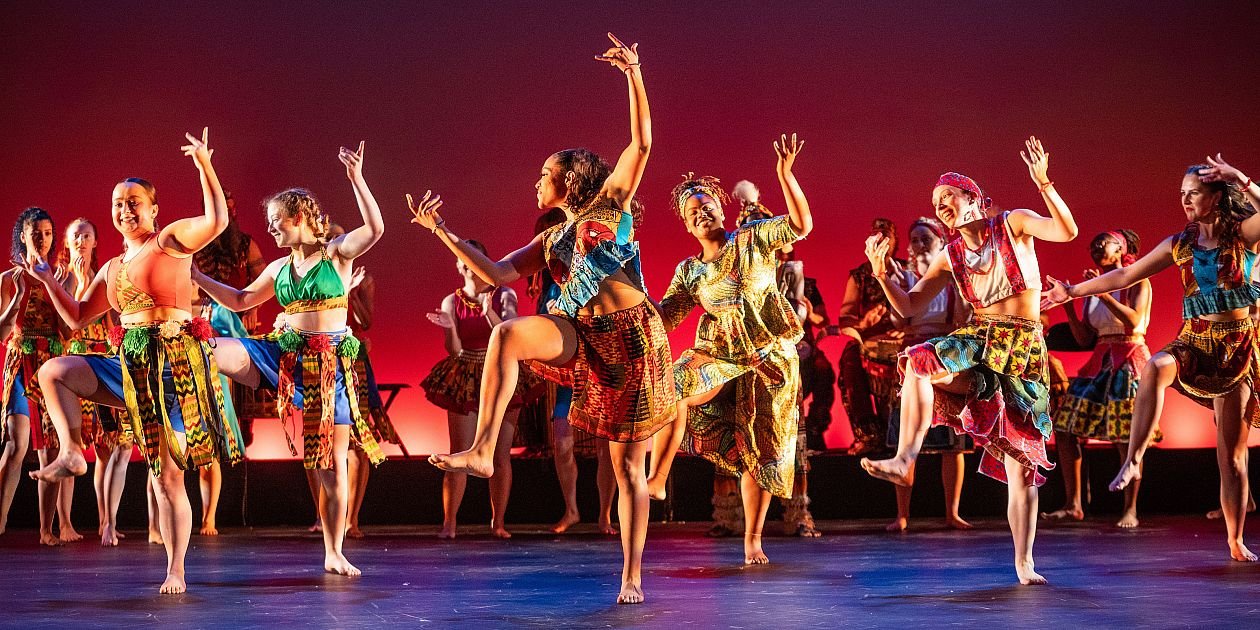
Are Digital Platforms Making Global Culture More Diverse—or More Homogeneous?

Are Digital Platforms Making Global Culture More Diverse—or More Homogeneous?

Abstract Digital platforms have transformed the way cultural products are created, distributed and consumed. Streaming services, social networks, video-sharing platforms and digital marketplaces have enabled music, films, literature, fashion and artistic expression to cross geographical and linguistic boundaries at unprecedented speed. Creators who once depended on traditional publishers, broadcasters or record labels can now reach …

Can Border Crackdowns Defeat Smuggling Networks? Lessons from the English Channel

Can Border Crackdowns Defeat Smuggling Networks? Lessons from the English Channel

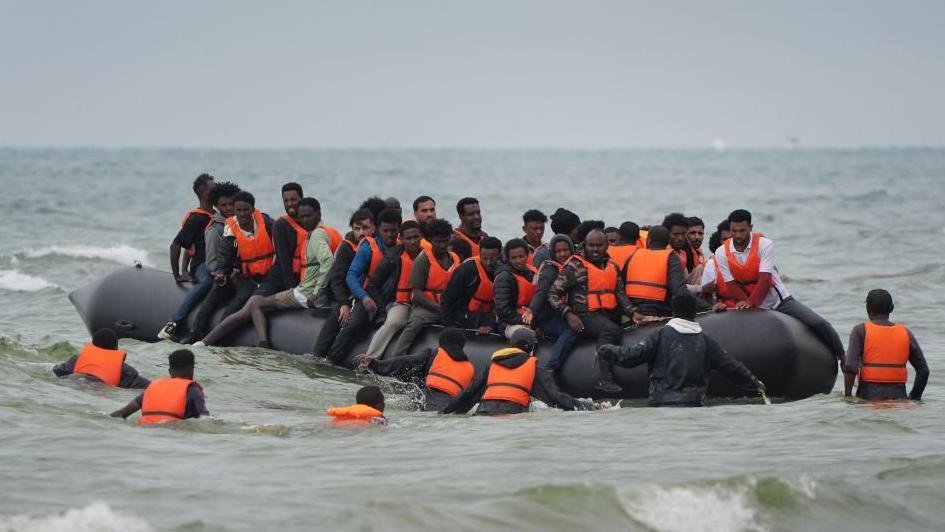
Abstract The English Channel has become one of Europe's most politically contentious migration routes, exposing the limitations of border enforcement in an era of transnational criminal networks, geopolitical instability and persistent demand for international protection. Successive British governments have invested in surveillance, maritime patrols, intelligence-sharing, arrests, equipment seizures and cooperation with France to prevent irregular …

Who Keeps Time on the Moon? The Hidden Geopolitics of Lunar Exploration

Who Keeps Time on the Moon? The Hidden Geopolitics of Lunar Exploration

Abstract As governments and commercial enterprises prepare for a more sustained human presence on the Moon, an unexpected question is emerging at the intersection of science, technology and international politics: who will define the time used by lunar missions, navigation systems and future settlements? On Earth, Coordinated Universal Time (UTC) provides a common reference for …

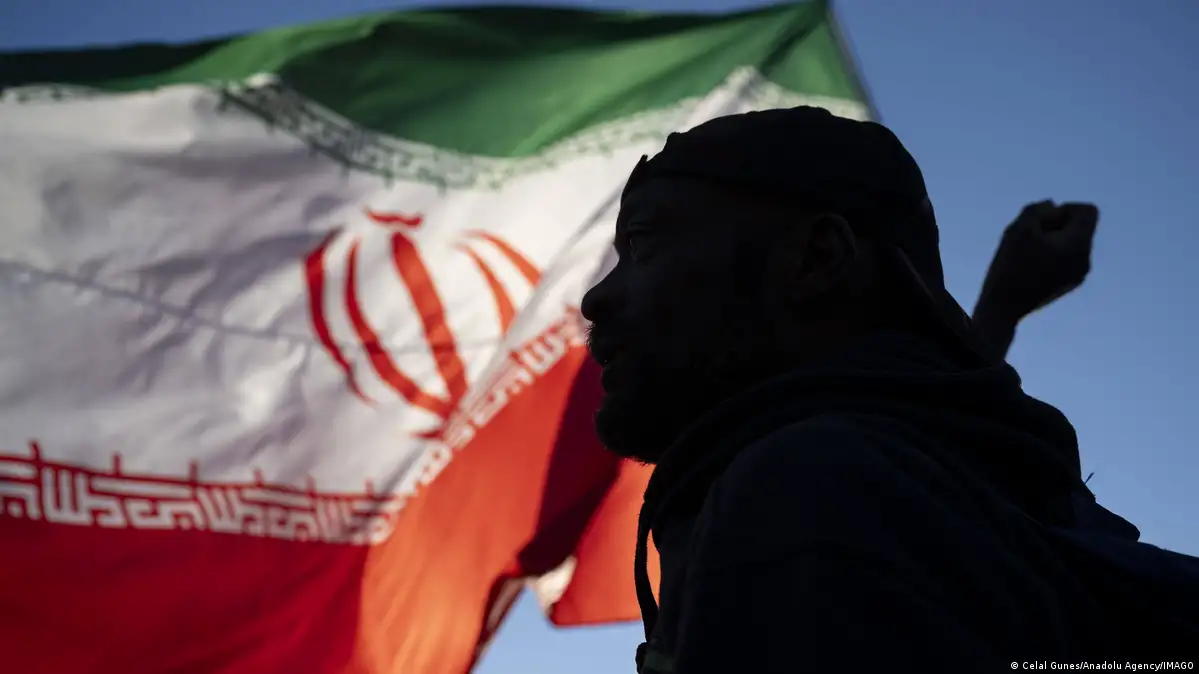
Iranian Foreign Policy Under Pressure: Between Restoring Regional Influence and Avoiding a Prolonged War of Attrition

Iranian Foreign Policy Under Pressure: Between Restoring Regional Influence and Avoiding a Prolonged War of Attrition

Abstract Iranian foreign policy is facing a defining strategic dilemma: how to preserve the Islamic Republic's regional position and establish a credible deterrent while avoiding a prolonged confrontation that could exhaust its military capabilities, deepen economic distress, and weaken its relationships with neighbouring states. The conflict that began with US and Israeli attacks on Iran …

Connect with us

Our work is strengthened by dialogue and exchange. We welcome inquiries from policymakers, researchers, media professionals, institutions, and partners interested in our research, expertise, and areas of focus.