
Sujets :

Escalade des tensions entre la Russie et l’Allemagne : causes et trajectoire

Russia-Germany relations have entered their most serious confrontation since the Cold War. The August 2026 Leipzig Airport drone incident triggered a diplomatic rupture, but the crisis reflects deeper tensions stemming from the Ukraine war, alleged Russian hybrid warfare, and Germany’s changing domestic politics. With consulates closing, cultural ties shrinking, and increasingly confrontational rhetoric from both sides, the relationship appears headed toward prolonged hostility. The study examines the causes of this breakdown, the risks of further escalation, and the factors that could either limit or reverse the deterioration.


Escalade des tensions entre la Russie et l’Allemagne : causes et trajectoire

Russia-Germany relations have hit their lowest point since the Cold War. A drone incident at Leipzig Airport in August 2026 triggered a diplomatic rupture—consulate closures, cultural shutdowns, and war-like rhetoric. This study examines why it happened and where it may lead.

I. Introduction and the Trigger: Leipzig Airport Incident

For decades, Berlin and Moscow maintained dialogue even amid deep disagreements. That era is over. By September 2026, the two countries had expelled diplomats, closed consulates, and exchanged accusations evoking World War II. This study asks: what caused this breakdown, and how far can it go?

On August 4, 2026, German police found a drone carrying explosives near a Ukrainian cargo plane at Leipzig/Halle Airport. On September 1, Germany publicly blamed Russia.

Foreign Minister Wadephul said Moscow had “made a conscious decision to inflict further significant damage” on bilateral relations. Russia denied everything, calling the allegations an “absurd fabrication.”

This incident was the spark—but the fire had been building for years.

II. Root Causes

2.1 The Ukraine War

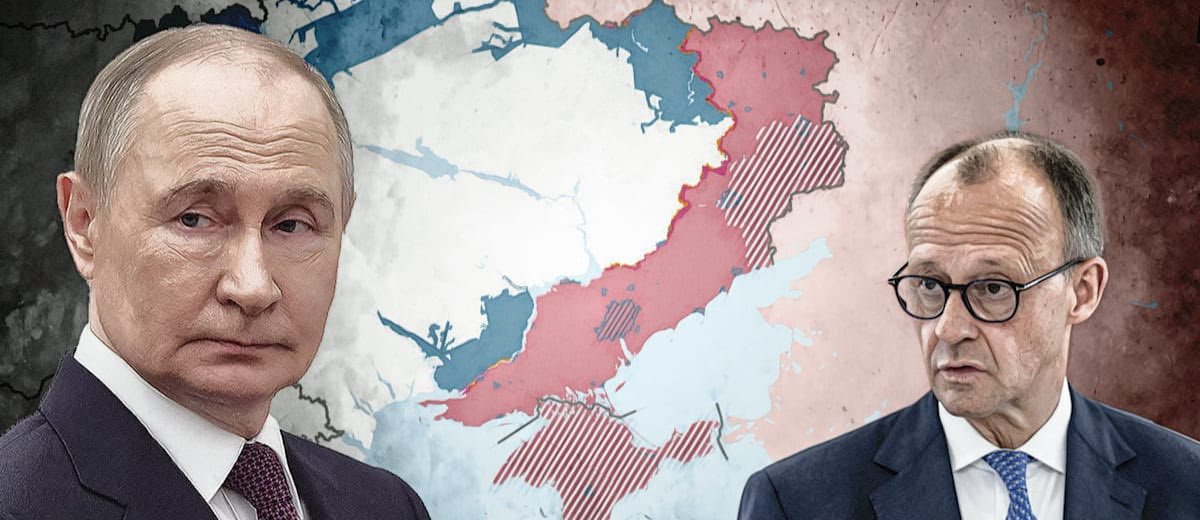
Since Russia’s 2022 invasion, Germany abandoned its old policy of engagement through trade and became one of Ukraine’s biggest military supporters. Berlin now sends Patriot missiles, IRIS-T systems, and drone funding. Moscow sees Germany as a direct participant in the war.

Photos can be used for commercial purposes

2.2 Hybrid Warfare

Leipzig was not isolated. Germany has reported a steady campaign of Russian cyberattacks, sabotage plots, and surveillance against its infrastructure and defense industry. Berlin believes these attacks aim to weaken German support for Ukraine.

2.3 German Domestic Politics

The rise of the AfD—which wants normalized ties with Russia and an end to military aid for Ukraine—has pressured Chancellor Merz’s government to appear tough on Moscow. Days after the consulate closure, the AfD won the Saxony-Anhalt election. Russia policy is now a domestic battleground.

III. The Diplomatic Rupture, Rhetoric and Risks

Germany’s measures (September 1, 2026):

  • Closed Russia’s consulate in Bonn

  • Ended the Russian House lease in Berlin

  • Tightened immigration rules for Russians

  • Pushed for new EU sanctions

Russia’s retaliation:

  • Closed Germany’s consulate in St. Petersburg

  • Shut down Goethe-Institut cultural centers

  • Blamed Berlin for “provoking a new round of escalation”

The language has been unusually harsh. Lavrov said Germany’s actions signal “the start of a real war” and accused Berlin of wanting war “again.” Medvedev suggested strikes on German weapons factories and “possibly Berlin itself.”

German officials have been more measured but no less serious. Merz called it a “profound rupture.” Wadephul said Russia treats Germany “with blatant hostility.”

IV. Where This Is Heading and Conclusion

Most likely: continued freeze. Diplomatic channels are shrinking. Russian Ambassador Nechayev said in February 2026 there were already “no prerequisites” for serious dialogue—before the Leipzig crisis even happened.

What could change things:

  • Further AfD gains pushing Germany toward normalization

  • A frozen or negotiated end to the Ukraine war

  • Or, conversely, new Russian attacks on German soil triggering tougher responses

What limits escalation:

  • Residual economic ties

  • Germany’s NATO protection

  • Russia’s focus on Ukraine—opening a direct front with NATO would be costly and risky

The Russia-Germany relationship has entered a new era of confrontation. The Leipzig incident was the trigger, but the deeper cause is the collapse of the post-Cold War security order after Russia’s invasion of Ukraine. Germany chose deterrence over engagement; Russia responded with hybrid warfare.

The trajectory points to prolonged hostility. Real de-escalation would require a major shift—either in the war or in the politics of both capitals. Neither is in sight.

References

Lavrov: Germany’s actions signal “Real War,” Saba News, Sept 5, 2026.
Germany shows no interest in equal dialogue, TASS, Feb 8, 2026.
Xinhua Daily Telegraph, Sept 9, 2026.
Russia orders German consulate closure, ABC News, Sept 6, 2026.
Lavrov: “Germany wants war again,” Yonhap, Sept 6, 2026.
AfD: Germany benefits from restoring Russia trade, RT, Sept 15, 2026.
German FM summons Russian ambassador, Ukrinform, Apr 19, 2026.
Germany sees hybrid attacks as conflict prep, Ukrinform/Bloomberg, Jan 5, 2026.
Russian firebrand calls for strikes on German factories, Washington Times, Sept 1, 2026.
Statement by Foreign Minister Wadephul, German Federal Foreign Office, Sept 1, 2026.

Abonnez-vous à notre newsletter

Restez informé(e) de nos actualités et offres

Thank you for subscribing to the newsletter.

Oops. Something went wrong. Please try again later.

Laisser un commentaire

Votre adresse e-mail ne sera pas publiée. Les champs obligatoires sont indiqués avec *