
Introduction
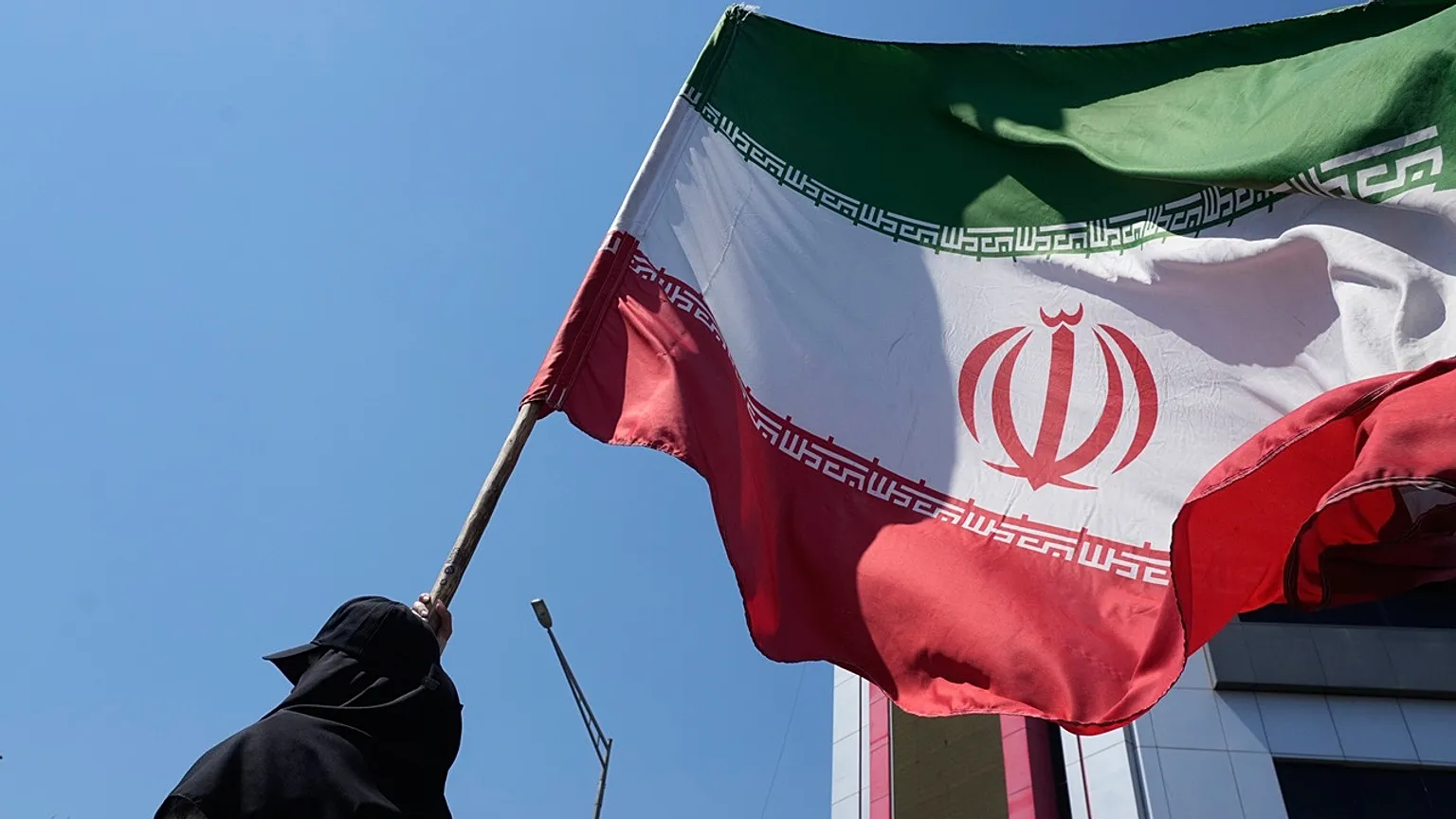
On September 25, 2026, Iranian Foreign Minister Abbas Araghchi announced a proposal to the United States that would end the war and reopen the Strait of Hormuz within seven days. The plan calls for a cessation of all hostilities across the Middle East—including Lebanon—the release of at least $12 billion in frozen Iranian assets, the lifting of sanctions on Iranian oil, and an end to the US naval blockade. On the seventh day of the truce, Iran would reopen Hormuz to commercial shipping. The proposal repackages the core commitments of the June 2026 Islamabad Memorandum of Understanding, but with an accelerated timetable designed to bypass prolonged negotiations.
What the Proposal Actually Means
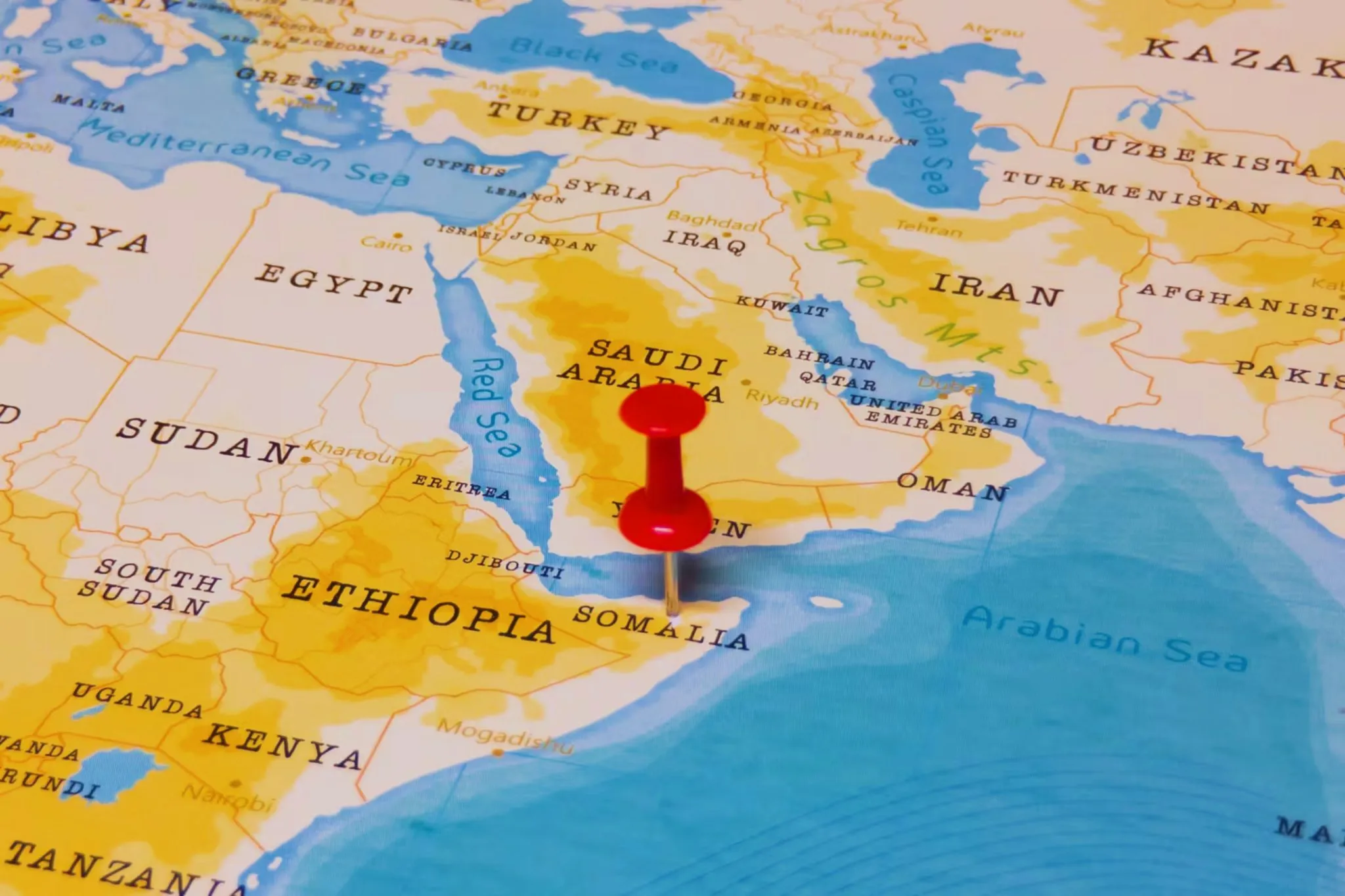
The seven-day roadmap is not merely a ceasefire offer; it is a carefully sequenced exchange of concessions. Under the plan, hostilities across every regional front would cease immediately. Washington would simultaneously lift its naval blockade on Iranian ports, grant waivers on oil sanctions, and unfreeze at least $12 billion in Iranian assets held abroad. Only on the seventh day would Tehran reopen the Strait of Hormuz, through a proposed joint Iranian-Omani transit route that permits Iranian inspections. Formal talks on Iran’s civilian nuclear programme would begin immediately after.
This sequencing is critical. Iran is not offering to open Hormuz first and negotiate later; it is demanding tangible economic relief before it surrenders its primary strategic leverage. For Tehran, the strait is not merely a waterway—it is the last card it holds in a war it is losing economically.
Why Iran Is Suffering: The Blockade’s Bite
The proposal’s urgency reflects the severity of Iran’s economic crisis. The US naval blockade has reduced Iranian oil exports from approximately 2 million barrels per day in March to just 220,000–255,000 barrels per day by August. US Central Command has redirected 115 commercial vessels as of September 23, effectively strangling Iran’s maritime trade. American officials claim Iranian crude oil exports have fallen to “0 barrels”.
The macroeconomic consequences are staggering. Iran’s economy contracted by 10.1% during the war. Hyperinflation has driven the 12-month average price increase to 69.9%, with food and tobacco prices rising at nearly double that rate. The Iranian rial has collapsed to more than 200,000 tomans to the dollar. The IMF projects a 5.4% economic contraction this year—the worst since the 1980s. Rampant inflation, the collapse of insurance payments, and the government’s inability to sell oil and obtain foreign currency have fractured the pharmaceutical supply chain, leaving Iran’s sick exposed.
In short, the blockade is working. Iran’s proposal is not a gesture of goodwill; it is a distress signal.
How the US Might Receive the Offer
Washington’s response has been deliberately ambiguous. Publicly, President Trump has called for Iran’s “complete economic isolation” and ruled out lifting the blockade before Tehran shows “sufficient goodwill”. He has threatened the regime with “annihilation” should talks fail. His administration previously rejected an earlier Iranian peace proposal as “totally unacceptable”.
Privately, however, the picture is more nuanced. Envoys Steve Witkoff and Jared Kushner held a three-hour mediated session with Araghchi that both sides described as constructive. White House officials confirmed that Qatari-brokered talks were “producing something positive,” while insisting no deal would be rushed. US Secretary of State Marco Rubio said that “if there’s an opportunity to exchange ideas and messages, we will”.
The fundamental obstacle remains sequencing. The plan asks Washington to grant major economic relief before any nuclear concession. Iran’s insistence on inspecting vessels transiting Hormuz also collides directly with demands from an 80-nation coalition for unrestricted passage. Moreover, hardliners in Tehran remain hostile to negotiation under pressure, raising questions about whether the relatively moderate President Pezeshkian can deliver on any deal.
One factor that may tip the balance is domestic American politics. Araghchi reportedly suggested that a speedy agreement would help Trump ahead of November’s midterm elections, as high oil prices fuel inflation and exacerbate cost-of-living concerns. If Trump calculates that reopening Hormuz could lower gas prices and deliver a political win, flexibility may emerge. But US officials remain deeply suspicious that Iran is merely buying time to export more oil and ease its economic pain.
Conclusion
Iran’s seven-day proposal is a strategically timed gamble. It offers Washington a rapid exit from a seven-month conflict and restored traffic through a chokepoint handling roughly a fifth of global oil shipments. But it demands that the US surrender its most effective economic weapon before Iran surrenders anything of comparable value. The proposal’s fate will depend on whether Washington believes the blockade has already achieved its purpose—or whether it can extract more concessions by waiting. For Tehran, the clock is ticking, and the economy is bleeding.