The “Trump Strait” Gambit: Why Washington Rejected Iran’s Seven-Day Hormuz Deal — and What Comes Next
Introduction On September 26, 2026, President Donald Trump publicly rejected Iran's latest cease-fire proposal, which offered to reopen the Strait of Hormuz and restart nuclear talks within seven days in exchange for significant U.S. concessions. The rejection marked the latest turn in a nearly seven-month U.S.-Israeli war against Iran that has reshaped the region's strategic landscape and sent global energy prices soaring. This study examines the reasons behind Trump's refusal, the remaining options for both nations, and the prospects for a renewed diplomatic breakthrough. 1. The Iranian Proposal: A Seven-Day Framework Iranian Foreign Minister Abbas Araghchi presented the proposal through Qatari mediators on the sidelines of the UN General Assembly in New York. The plan operated on a precise timeline: initial steps would take four to five days, the Strait of Hormuz would reopen on the sixth day, and on the seventh day negotiations over Iran's nuclear program would commence. The conditions Iran demanded were substantial: In return, Iran would restore commercial traffic through the Strait of Hormuz — a waterway through which one-fifth of the world's traded oil and gas passed before the war began. Iranian President Masoud Pezeshkian confirmed that the proposal had been coordinated with Supreme Leader Mojtaba Khamenei and that a six-member Iranian decision-making group with military, parliamentary, and government representation was managing the negotiations. 2. Why Trump Rejected the Deal 2.1 Favorable Ground Conditions Former U.S. Special Envoy for Iran Rob Malley observed that "favorable conditions on the ground meant America was never going to …
On September 26, 2026, President Donald Trump publicly rejected Iran’s latest cease-fire proposal, which offered to reopen the Strait of Hormuz and restart nuclear talks within seven days in exchange for significant U.S. concessions. The rejection marked the latest turn in a nearly seven-month U.S.-Israeli war against Iran that has reshaped the region’s strategic landscape and sent global energy prices soaring. This study examines the reasons behind Trump’s refusal, the remaining options for both nations, and the prospects for a renewed diplomatic breakthrough.
1. The Iranian Proposal: A Seven-Day Framework
Iranian Foreign Minister Abbas Araghchi presented the proposal through Qatari mediators on the sidelines of the UN General Assembly in New York. The plan operated on a precise timeline: initial steps would take four to five days, the Strait of Hormuz would reopen on the sixth day, and on the seventh day negotiations over Iran’s nuclear program would commence.
The conditions Iran demanded were substantial:
Unfreezing an estimated $12 billion in Iranian assets
Waiving sanctions on Iranian oil sales
Lifting the U.S. naval blockade on Iranian ports
A comprehensive ceasefire covering the entire region, including Lebanon and Yemen
In return, Iran would restore commercial traffic through the Strait of Hormuz — a waterway through which one-fifth of the world’s traded oil and gas passed before the war began. Iranian President Masoud Pezeshkian confirmed that the proposal had been coordinated with Supreme Leader Mojtaba Khamenei and that a six-member Iranian decision-making group with military, parliamentary, and government representation was managing the negotiations.
2. Why Trump Rejected the Deal
2.1 Favorable Ground Conditions
Former U.S. Special Envoy for Iran Rob Malley observed that “favorable conditions on the ground meant America was never going to accept the offer.” The U.S. naval blockade has proven highly effective in strangulating Iran’s economy, additional sanctions have been layered on, and the U.S. has managed — alongside other countries — to get more oil through the Strait of Hormuz despite Iranian threats.
2.2 Iran’s Demands Would Eliminate U.S. Leverage
Analysts noted that Tehran’s conditions — lifting the blockade, suspending sanctions, and returning frozen assets — would dismantle a significant portion of Washington’s leverage in critical files, including Iran’s nuclear program, missile development, and regional activities. David DeRoche, a former U.S. Defense Department official, characterized the Iranian proposal as “unbalanced,” noting that Tehran was demanding the removal of all sanctions before substantive negotiations even began.
2.3 Trump’s Skepticism and Electoral Calculus
Trump told reporters he rejected the deal because it was “not acceptable,” adding that Iran wanted “to make a deal where they open the strait immediately because they’re losing so badly.” U.S. media reported that Trump is skeptical Iran will meet his demands and that he believes a renewed bombing campaign is likely after the November midterm elections. As Jared Mondschein of the U.S. Studies Centre in Sydney explained: “After the midterm elections, his political runway is longer. He doesn’t have to face frustrated Republicans wanting cheaper energy prices.”
2.4 The Symbolic Dimension
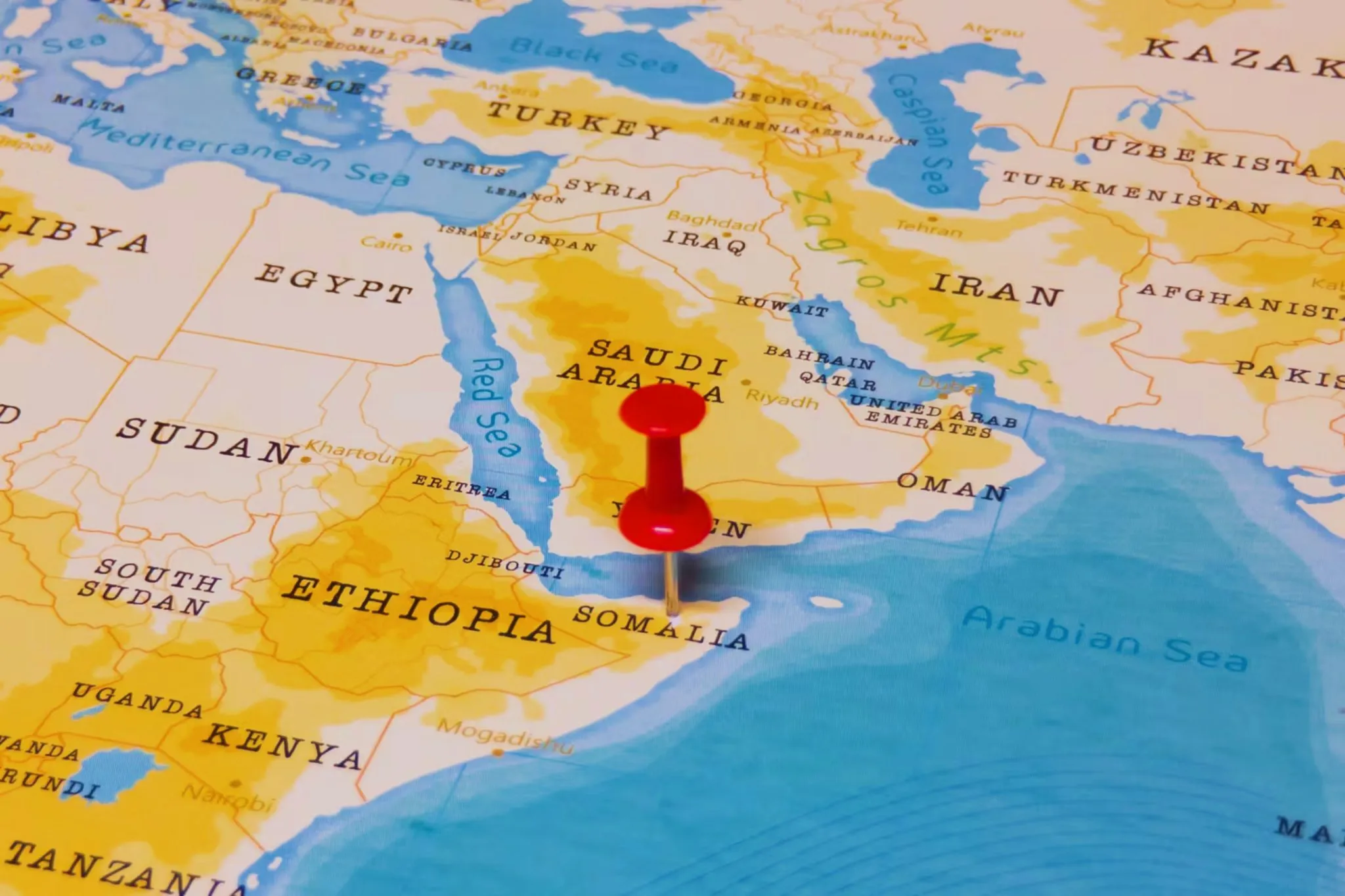
Trump’s rejection was accompanied by a provocative gesture: he posted a map on Truth Social labeling the Strait of Hormuz as the “Trump Strait.” This symbolic act underscored his administration’s maximalist posture and suggested that Washington views control over the waterway as a strategic asset rather than a bargaining chip.
3. Iran’s Remaining Options
3.1 Maintain the Status Quo and Endure
Iran could opt to absorb the economic pain and wait out the U.S. political calendar. Tehran’s currency has hit record lows, inflation is soaring, and oil exports remain severely restricted. However, Pezeshkian has stated that Iran “withstood the American and Israeli attacks” and will “continue to stand firm,” suggesting the leadership believes it can outlast Washington’s pressure campaign.
3.2 Revise the Proposal
Iran may offer a revised version of its plan. A five-condition counterproposal was previously floated in May, which included a demand for international recognition of Iranian sovereignty over the Strait of Hormuz — an unprecedented position. Additionally, Iran could revive the Hormuz Peace Endeavour (HOPE), a framework first proposed in 2019, potentially offering Oman a specific role in a new transit mechanism modeled on the Panama or Suez Canals.
3.3 Escalate Militarily
Iran could attempt to demonstrate that it retains the capability to disrupt maritime traffic, either directly or through proxies. However, Pezeshkian has distanced Tehran from Houthi actions in Yemen, stating that “the actions of the Houthis are not connected to Iran” and urging dialogue between the Houthis and Saudi Arabia.
3.4 Leverage Multiple Mediation Channels
Iran has been utilizing both Qatar and Pakistan as mediators to convey messages to Washington — a dual-channel approach that was publicly identified for the first time by Pezeshkian. Tehran could expand this mediation network to include Oman, Turkey, or European intermediaries.
4. America’s Remaining Options
4.1 Continue Maximum Pressure
The U.S. could maintain its naval blockade, sanctions regime, and military posture while waiting for Iran’s economy to deteriorate further. Trump has indicated he is in “no rush” for a deal as the U.S. strains Iran’s economy.
4.2 Resume Military Strikes
Multiple U.S. media outlets have reported that Trump expects to resume bombing Iran after the November midterm elections, with officials noting that his view could shift depending on the electoral outcome. The U.S. has already demonstrated its willingness to strike high-value targets, including a recent operation that killed a Hamas commander in Gaza.
4.3 Negotiate a Modified Agreement
Trump has stated he remains open to negotiating with Iran: “They want to make a deal, and I think that’s fine, I like making a deal too. But that deal would not be acceptable.” A modified framework could prioritize nuclear concessions upfront or introduce phased sanctions relief tied to verifiable compliance.
4.4 Internationalize the Crisis
The U.S. could seek to multilateralize the dispute, bringing in European allies, Gulf states, and UN mechanisms to share the burden of enforcement and create a broader diplomatic framework.
5. Prospects for a New Proposal
A new proposal is likely, but its timing and content depend on several variables:
Factor
Impact on New Proposal
U.S. Midterm Elections (Nov. 2026)
Trump may prefer to avoid escalation before the vote but could pursue a harder line afterward
Iran’s Economic Deterioration
Worsening conditions could force Tehran to offer more concessions
Mediator Engagement
Qatar and Pakistan have shown willingness to facilitate; Oman could join
Nuclear Program Status
Any indication of Iranian weaponization would eliminate diplomatic space
The most plausible pathway is a phased arrangement: Iran reopens the Strait of Hormuz in exchange for limited, reversible sanctions relief, with nuclear negotiations deferred to a second stage. However, the collapse of the June memorandum of understanding — which unraveled within days of signing — has created deep mutual distrust. As Pezeshkian stated: “We have no trust in the American side and do not know on what basis an understanding can be reached with it.”
Conclusion
Trump’s rejection of Iran’s seven-day proposal reflects a calculated assessment that time and economic pressure favor Washington. With favorable ground conditions, an effective naval blockade, and a post-midterm political calendar that frees him from immediate electoral constraints, Trump appears content to wait. Iran, meanwhile, faces a painful dilemma: offer deeper concessions or endure continued economic strangulation. The Strait of Hormuz remains the central bargaining chip — but until one side concludes that the cost of stalemate exceeds the cost of compromise, the waterway will remain a flashpoint rather than a bridge.
Sources
The New York Times, “Trump Rejects Iranian Proposal for Cease-Fire and Opening of Strait,” September 26, 2026.
NHK WORLD-JAPAN, “Trump rejects Iran’s proposal to reopen Strait of Hormuz,” September 27, 2026.
ABC News (Australia), “Why Trump rejected Iran’s deal to re-open Strait of Hormuz,” September 27, 2026.
ILNA (citing Al Jazeera), “چرا ترامپ پیشنهاد ایران درباره هرمز را رد کرد؟” September 27, 2026.
NHK WORLD-JAPAN, “Tehran offers ‘seven-day’ proposal,” September 26, 2026.
Associated Press, “Where things stand after Iran’s new pitch for a deal to open the Strait of Hormuz,” September 26, 2026.
Central News Agency (Taiwan), “伊朗總統:最高領袖支持重新開放荷莫茲海峽新方案,” September 26, 2026.
Kurdistan24, “Pezeshkian: Iran no longer trusts Washington, but deal is possible within seven days,” September 26, 2026.
Subscribe to Our Newsletter
Keep in touch with our news & offers
Thank you for subscribing to the newsletter.
Oops. Something went wrong. Please try again later.