Introduction
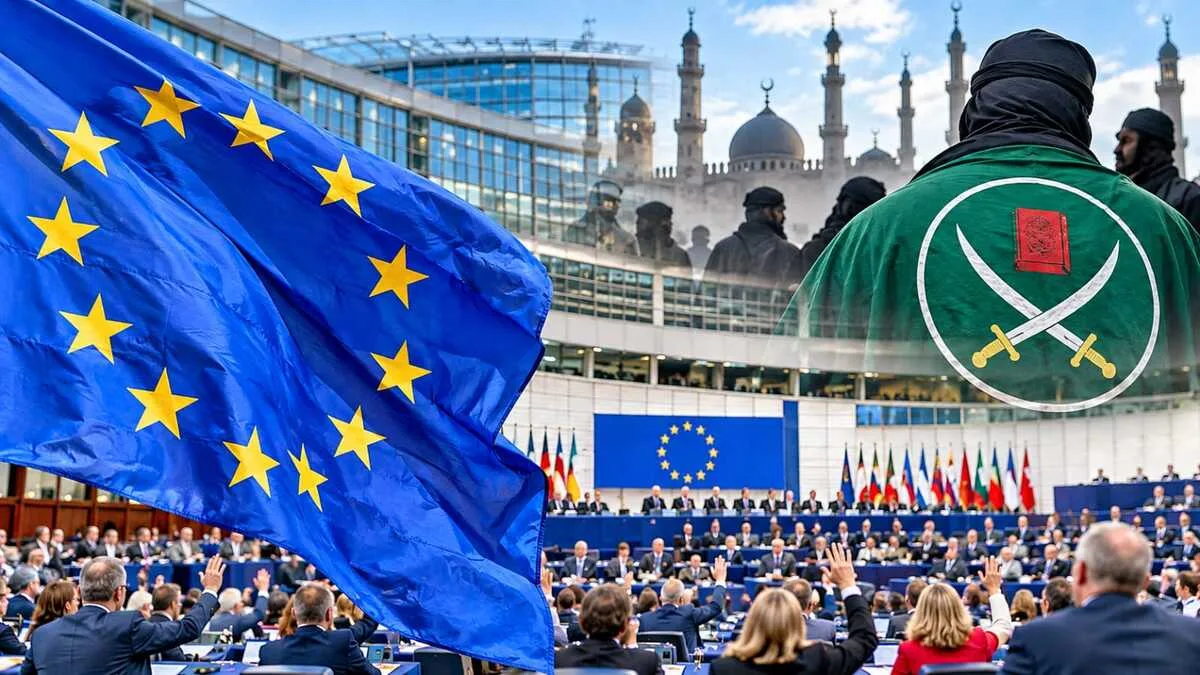
On October 8, 2026, the European Parliament delivered a political blow to the Muslim Brotherhood and its influence networks, adopting a resolution calling for an EU strategy to counter Islamist entryism and the influence of the Brotherhood’s network. The resolution passed by 381 votes to 167, with 15 abstentions. Its significance lies not merely in its condemnation of political rhetoric, but in its focus on the instruments through which the targeted networks acquire influence: funding, partnerships, intermediary organisations and access to decision-making institutions.
At the heart of this shift is a challenge to the institutional legitimacy these networks derive from their relationships with European bodies. The resolution calls for tracing funding to its ultimate beneficiaries, tightening scrutiny of partnerships and assessing whether Brotherhood-linked individuals and entities meet the legal conditions for inclusion on EU terrorist lists. A declared charitable or civic identity, in other words, should not substitute for examining an organisation’s financing, governance and operational connections.
The message also extends to foreign patronage. The text specifically highlights entities linked to Qatar and Turkey when calling for stronger oversight of foreign funding, influence operations and partnerships. The vote therefore raises questions not only about the Brotherhood’s future in Europe, but also about the costs facing external actors that sustain relationships with the networks under scrutiny.
1. Targeting the Sources of Influence, Not Merely the Name
Reducing the resolution to a single question—whether the Brotherhood was immediately banned—misses its central political significance. Parliament is demanding scrutiny of the infrastructure through which the targeted networks accumulate resources, recognition and influence, including intermediaries, front structures and organisations that may reconstitute themselves under new names.
On funding, the resolution calls for following financial flows through partners and subgrants to their ultimate beneficiaries. This approach moves beyond checking each organisation’s legal paperwork in isolation. It asks whether formally separate bodies are connected through shared financing, management or operational objectives.
On institutional access, the text calls for stricter scrutiny of invitations, partnerships and consultations, alongside measures concerning organisations linked to the Council of European Muslims and their access to EU institutions and the Transparency Register. Such access matters because an official invitation can provide more than a speaking opportunity: it can confer recognition that an organisation subsequently uses to strengthen its standing elsewhere.
On security, Parliament calls for closer cooperation and information-sharing, as well as assessments of whether Brotherhood-linked individuals and entities should be designated under the EU’s terrorism framework. The demand is therefore not simply to criticise a movement, but to examine the people, resources and structures that sustain its influence.
The next test is whether this political condemnation produces documented cases and enforceable measures—or whether the gap between identifying a problem and confronting its machinery remains intact.
2. From Examining the Public Face to Investigating the Network
The most consequential aspect of the resolution is its refusal to treat formal names or declared membership as the only relevant evidence. It addresses funding relationships, partnerships and the possibility of activity being reorganised under new identities or relocated between member states. Its focus is continuity of operation rather than continuity of branding.
Under this approach, the essential questions become straightforward: Who finances an organisation? Who controls its leadership? Which relationships recur across its activities? Who ultimately benefits? Does legal independence reflect genuine operational autonomy, or does the organisation perform a role within a wider structure?
These questions prevent a reassuring mission statement from becoming the end of the inquiry. An organisation’s chosen description of itself must be tested against its conduct, relationships and sources of power.
Legal precision strengthens this scrutiny. The European framework for terrorist listings requires specific information and decisions by competent authorities. A weak allegation can offer an organisation an escape route; a properly documented case is considerably harder to dismiss.
3. The Brotherhood’s European Future: Eroding Privileges Before Ending Its Presence
The vote opens the possibility of restricting the spaces that sustain the targeted networks: funding, partnerships, institutional access and cross-border activity. These are the principal areas addressed by Parliament’s demands.
Three broad scenarios follow from the instruments proposed.
Cumulative, Targeted Restrictions
Implementation may begin with individual funding reviews, suspended partnerships, restrictions on institutional access or legal measures against specific people and entities.
The cumulative effect could be substantial. A political network depends not only on a recognisable name, but also on resources, intermediaries and platforms. Losing these assets can weaken its capacity to operate even without a comprehensive ban.
Reorganisation Under Pressure
Affected organisations may change names, leadership arrangements, structures or declared relationships. Yet the resolution specifically calls for scrutiny of reconstituted entities, intermediaries and ultimate beneficiaries. Rebranding may therefore offer less protection if the underlying financing, management and activities remain unchanged.
The challenge is not simply to identify a new sign above an office door. It is to establish whether the same operational structure continues behind it.
Strong Rhetoric, Weak Implementation
The resolution could also lose momentum if institutions fail to follow political demands with evidence and action. In that case, targeted networks may exploit the contrast between forceful declarations and limited enforcement.
The decisive measure of success will not be the volume of official statements. It will be the extent to which unjustified privileges are withdrawn, violations are established and legally sustainable measures are implemented.
4. Qatar and Turkey: The Rising Cost of External Patronage
The reference to entities linked to Qatar and Turkey makes foreign patronage an explicit part of the resolution. Parliament calls for stronger scrutiny of foreign funding, partnerships and influence operations, particularly where such entities are involved. The resolution’s recitals also attribute support for the Brotherhood to Turkey, including hosting exiled members and media networks close to the movement.
The potential costs operate on three levels:
- Financial: stronger demands to identify funders, intermediaries, purposes and ultimate beneficiaries.
- Institutional: closer examination before partnerships or access to consultations and events are approved.
- Political: a more prominent role for foreign funding and influence concerns in engagement with European institutions and governments.
The resolution does not impose comprehensive sanctions on Qatar or Turkey. It does, however, place the relevant relationships under sharper scrutiny. Questions directed at a recipient organisation may increasingly reach its external sponsor: What is the relationship? How independent is the recipient? Does the funding support the declared activity, or a broader political network?
Patronage can thus become a liability rather than merely an instrument of influence. External actors may face pressure to provide greater transparency, restructure relationships or absorb the political costs of maintaining them.
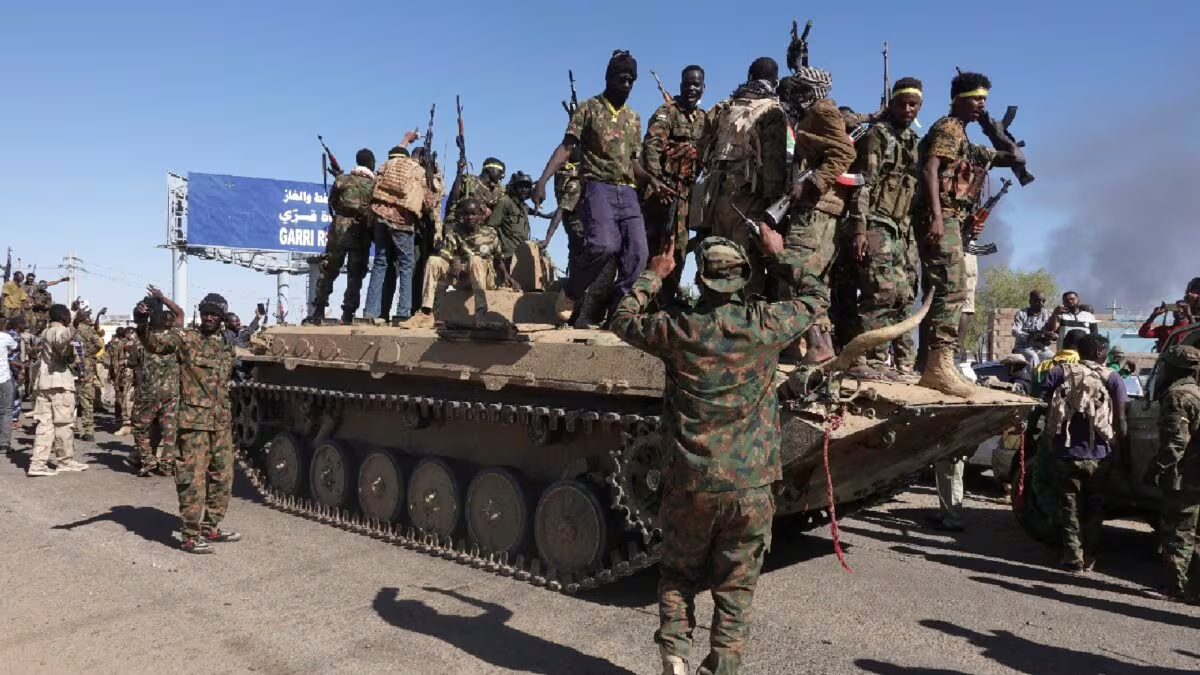
5. Sudan: An Example of Military Dependence Serving Islamist Political Recovery
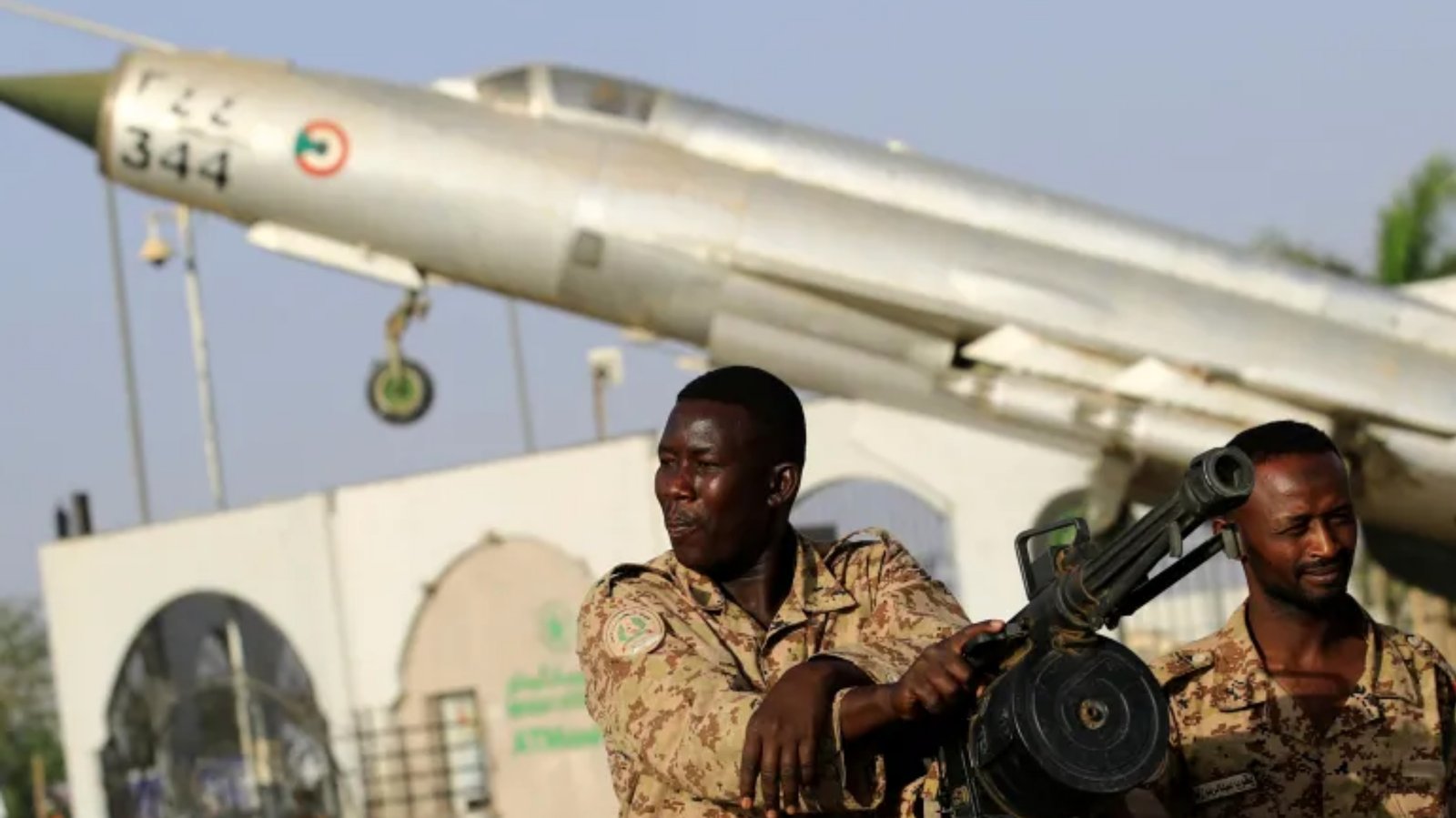
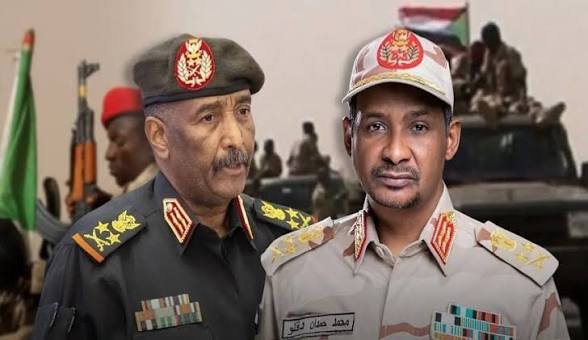
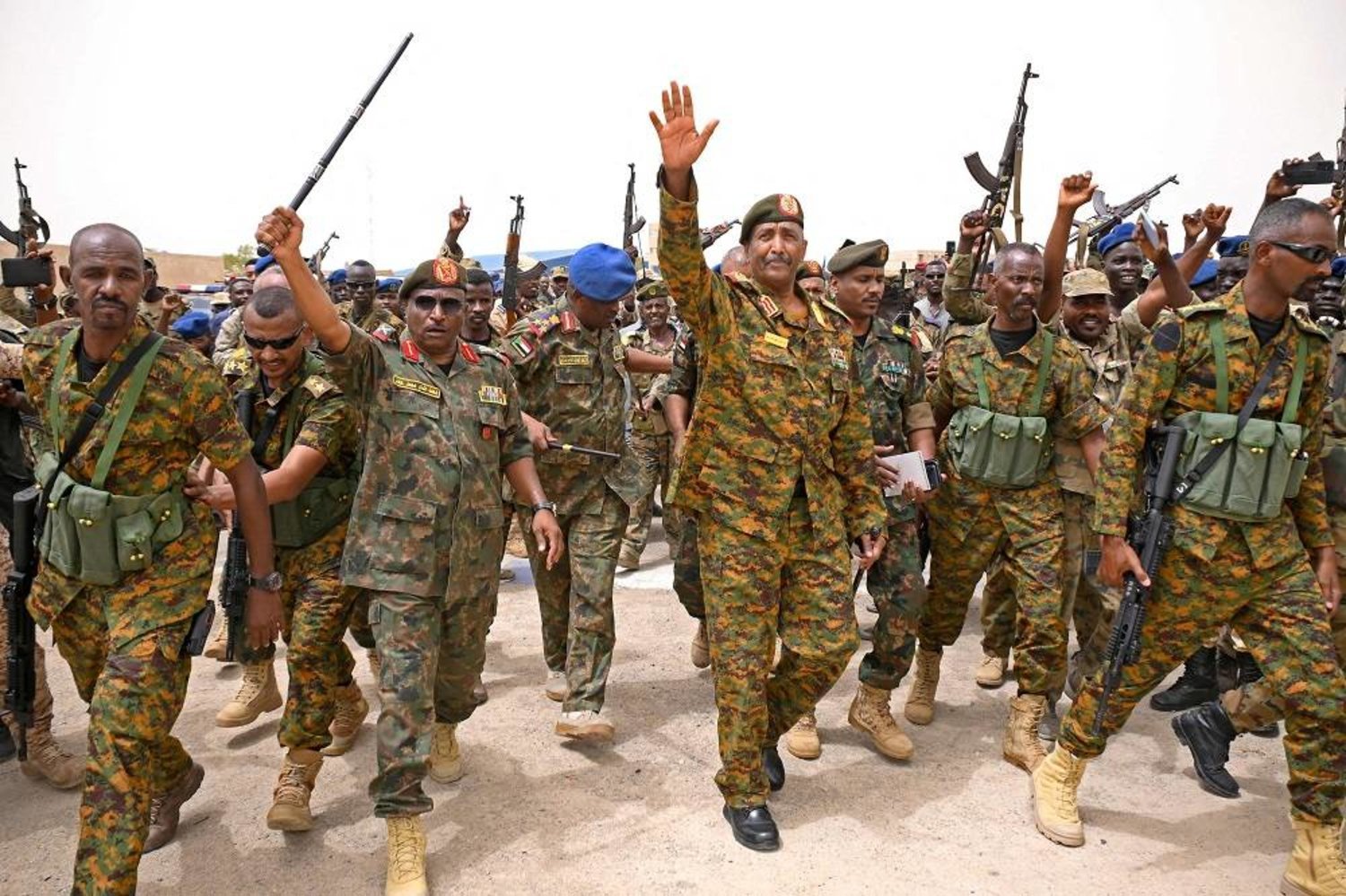
Sudan illustrates the danger of Islamist networks finding in war a route back to power and in the military an instrument for recovering influence lost after Omar al-Bashir’s fall. Reuters documented efforts by Islamist figures and networks to rebuild their political position through support for the army, while the International Crisis Group identifies formations associated with this political environment as an important component of the army’s wartime coalition. The concern is not the presence of individual soldiers with religious views, but the use of military necessity to rehabilitate a partisan project and reinforce it through armed participation.
External support adds another dimension. Reuters, citing military sources, reported that Islamist figures used longstanding connections with Qatar, Turkey and Iran to help the army obtain weapons. Such relationships can turn political networks into intermediaries for wartime requirements, giving them an opportunity to convert military utility into political leverage during a future settlement.
Against this background, the European vote offers a warning to states that rely on such networks: support for an army should not become cover for restoring Islamist political dominance, and participation in combat does not confer a right to control the state. If Parliament’s demands concerning funding, intermediaries and organisational fronts translate into action, channels connected to the targeted networks could face greater scrutiny. Any military leadership that builds its survival strategy around those relationships may also face a growing political burden. The consequences extend beyond the army’s reputation to the future of institutions that should serve citizens rather than facilitate a political organisation’s return to power.
6. The Vulnerabilities Exposed by the Resolution
The proposed measures reveal three potential vulnerabilities.
The first is dependence on institutional access. Once invitations, consultations and partnerships are subjected to closer examination, official participation becomes less readily available as a certificate of political acceptance.
The second is the traceability of financial relationships. Following funds to their ultimate beneficiaries narrows the distance between the organisation receiving money and the actor benefiting from it. It also brings intermediaries into the investigation rather than leaving them outside the frame.
The third is the tension between declared independence and actual coordination. If investigations establish that apparently separate organisations share financial, managerial or operational arrangements, multiple names will not necessarily demonstrate the existence of genuinely independent projects.
This is the value of a network-based approach: it examines the structure through which influence operates rather than confronting only its public image. Its effectiveness depends on proving relevant connections, not multiplying accusations.
7. Challenging a Political Project Without Handing It a Religious Defence
Scrutinising the Brotherhood does not require attacking Islam or questioning Muslims’ rights to organise, conduct charitable work or participate in politics. The resolution itself distinguishes Islam as a religion from Islamism as a political phenomenon and affirms the protection of Muslims against discrimination.
This distinction makes the argument stronger. It prevents a political organisation from treating scrutiny of its conduct as an attack on an entire religious community.
Equating every Muslim association with the Brotherhood would extend allegations beyond the evidence and allow the targeted organisations to shift attention from their own activities to the rights of millions of unrelated citizens.
An effective response instead asks concrete questions: Was funding concealed? Was an institutional partnership used to advance organisational influence? Are there legally relevant connections? Who bears responsibility for any established violation?
A political movement should neither monopolise Muslim representation nor turn accountability for its own actions into a claim of collective religious persecution.
8. How to Measure Whether the Vote Changes Anything
Four indicators will show whether the resolution produces meaningful results:
- Detailed funding reviews identifying programmes, intermediaries and ultimate beneficiaries.
- Concrete decisions concerning partnerships, institutional access and the Transparency Register.
- Evidence-based listing proposals submitted to the competent authorities.
- Coordination between member states that reduces opportunities to relocate or reconstitute activities to evade restrictions.
These indicators distinguish a decision that changes operating conditions from one that merely generates headlines.
Declaring a tougher stance will achieve little if the relevant funding channels, relationships and privileges remain beyond scrutiny.
Conclusion
The European Parliament’s vote matters because it calls for scrutiny of an influence system rather than condemnation of a name alone: who finances it, who manages it, who provides institutional recognition and who ultimately benefits?
If those questions produce coordinated investigations and legally sustainable action, Brotherhood-linked networks could face a European environment less willing to extend funding, recognition and partnerships without examination.
For entities linked to Qatar and Turkey, the resolution raises the potential costs of patronage. Sudan, meanwhile, illustrates the danger of political networks extending into military structures, where dependence on support can become a route to renewed influence over the state.
The political blow will not become decisive through rhetoric alone. What can alter the Brotherhood’s position in Europe is the exposure of concealed relationships where established, the restriction of unlawful funding, the withdrawal of unjustified privileges and the conversion of allegations into demonstrable responsibility. That is the difference between a forceful parliamentary statement and the beginning of a sustained erosion of influence.
Documents and Reports Used
- European Parliament, adopted text P10_TA(2026)0342, October 8, 2026, on the need for an EU strategy to counter Islamist entryism and the influence of the Muslim Brotherhood network.
- European Parliament Legislative Observatory, document summary and procedure file 2026/2868(RSP), documenting the resolution’s adoption, voting result and procedural history.
- Council Common Position 2001/931/CFSP, establishing relevant requirements for EU terrorism-related listings.
- Reuters, July 25, 2025, “Sudan’s Islamists plot post-war comeback by supporting army.”
- International Crisis Group, April 13, 2026, “Divided Sudan, Elusive Peace.”